
Osteopathy and dental collaboration
Our osteopaths work collaboratively with many dentists and orthodontists to support children and adults with dental issues including open bite, underbite, crowding, jaw alignment, jaw pain, sleep medicine and orofacial myofunctional disorders. We support the body through dental changes allowing the body to adapt as the dental arches and jaws adapt. Our clinic has an in house dentist Dr Sally Fairbairn who collaborates with our osteopaths. We offer dental/osteo appointments with Dr Sally Fairbairn. These collaborations have the osteopath and the dentist assessing the patient and forming a treatment plan together.
This is a unique offering. After a full osteopathic and dental assessment a full report and recommended treatment proposal is presented to the individual. This approach acknowledges the connection between the jaws, cranium, airway and the whole body as a single unit of function.
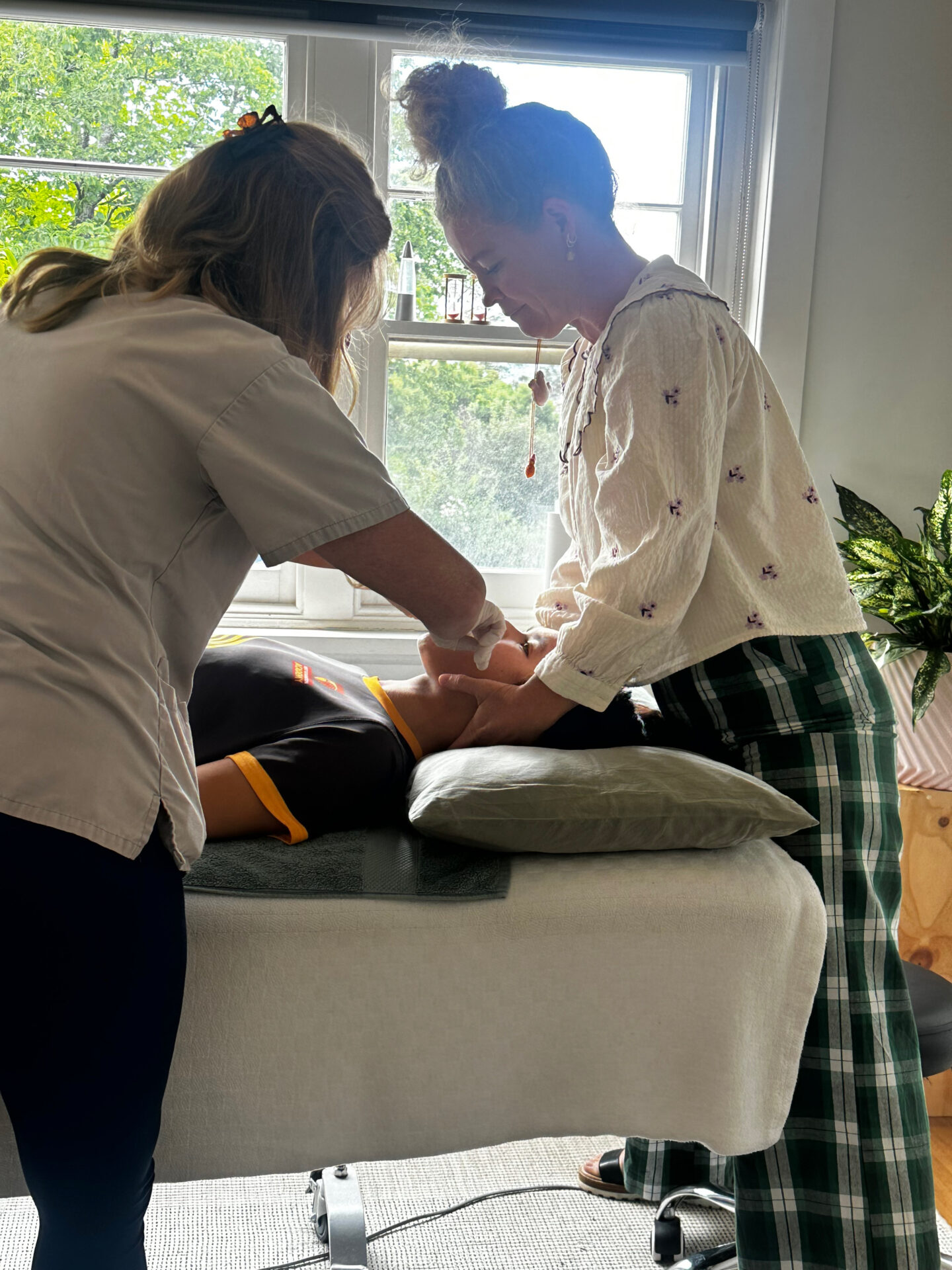

Initial Assessment and Collaborative Planning
The process begins with both the dentist and osteopath conducting a thorough assessment together. The dentist evaluates dental alignment, bite function, and oral habits, while the osteopath examines cranial and postural patterns, muscle function, and overall body balance. Together, they discuss their findings and identify how dental issues may relate to cranial and musculoskeletal imbalances.
The dentist and osteopath will then develop a shared treatment plan tailored to the patient’s unique needs. This plan typically outlines the roles of each practitioner, the sequence of interventions, and regular intervals for joint review and adjustment. The appliances that are recommended are those that support a more wholistic view of the patient.
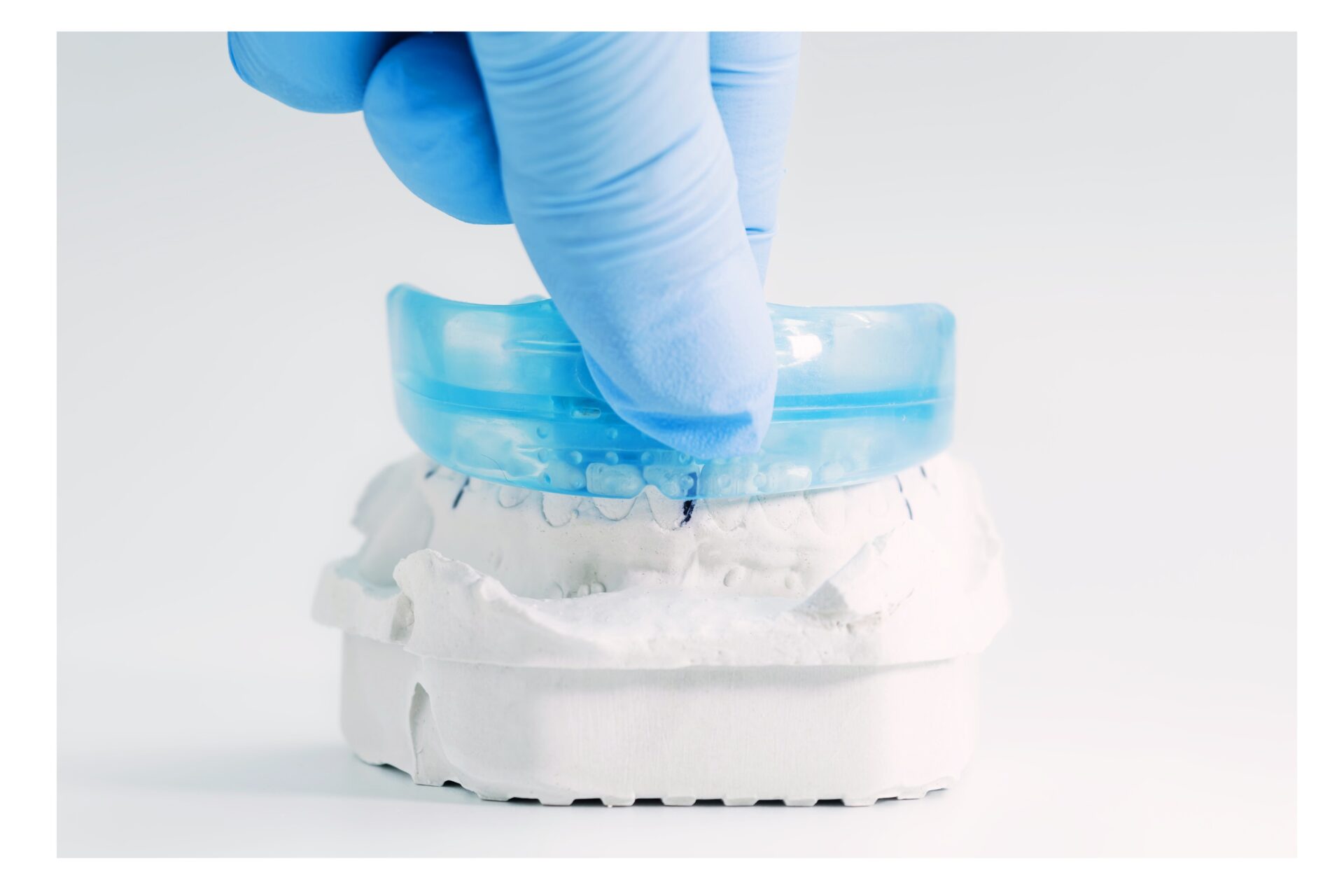
Wholistic myofunctional orthodontics goes beyond traditional braces by focusing on retraining the muscles of the face and mouth. The dentist and osteopath prescribes appliances and exercises designed to encourage correct tongue posture, nasal breathing, and balanced muscle activity. These appliances also support cranial mechanics. This approach addresses the root causes of malocclusion, such as mouth breathing or tongue thrusting, cranial distortions and supports natural development and stability.
Role of Cranial Osteopathy
Cranial osteopathy is a gentle, hands-on therapy that aims to optimise the movement and alignment of the skull, jaw, and associated tissues. The osteopath works to release restrictions and improve cranial mechanics, which can support the changes being made through orthodontic treatment. By enhancing cranial mobility and balancing the nervous system, cranial osteopathy may help reduce tension, improve bite function, and promote overall comfort.
Synergy and Ongoing Collaboration
The integration of cranial osteopathy with wholistic myofunctional orthodontics creates a synergistic effect. As the dentist works to guide dental and muscular changes, the osteopath supports these adjustments by ensuring that the cranial bones and musculoskeletal system can adapt smoothly. This aims to reduce the risk of relapse and can lead to more stable, long-lasting results.
Regular communication and joint progress reviews allow both practitioners to modify the plan as the patient progresses. This team-based approach ensures that any emerging issues are addressed promptly and that the patient receives comprehensive care.

Benefits for Dental and Whole-Body Health
By combining these two modalities, patients often experience not only improved dental alignment but also enhanced breathing, posture, and overall wellbeing. Addressing malocclusion in this wholistic way recognises the interconnectedness of the body and strives for outcomes that are both aesthetically pleasing and functionally sound.
Dental appliances used in collaborations with the dentists that we work with include:
By combining these two modalities, patients often experience not only improved dental alignment but also enhanced breathing, posture, and overall wellbeing. Addressing malocclusion in this wholistic way recognises the interconnectedness of the body and strives for outcomes that are both aesthetically pleasing and functionally sound.