Cranial Osteopathy
Cranial osteopathy is a subtle and distinctive branch of osteopathic medicine that focuses on the gentle manipulation of the skull and its connections to the rest of the body.
Rooted in the principles of osteopathy, cranial osteopathy seeks to restore and maintain the body’s innate balance and health by working with the movement of the cranial bones, the spine, sacrum and other anatomical structures. While its techniques may appear soft and understated, cranial osteopathy can have profound effects on physical and emotional wellbeing.
The philosophy of Osteopathy
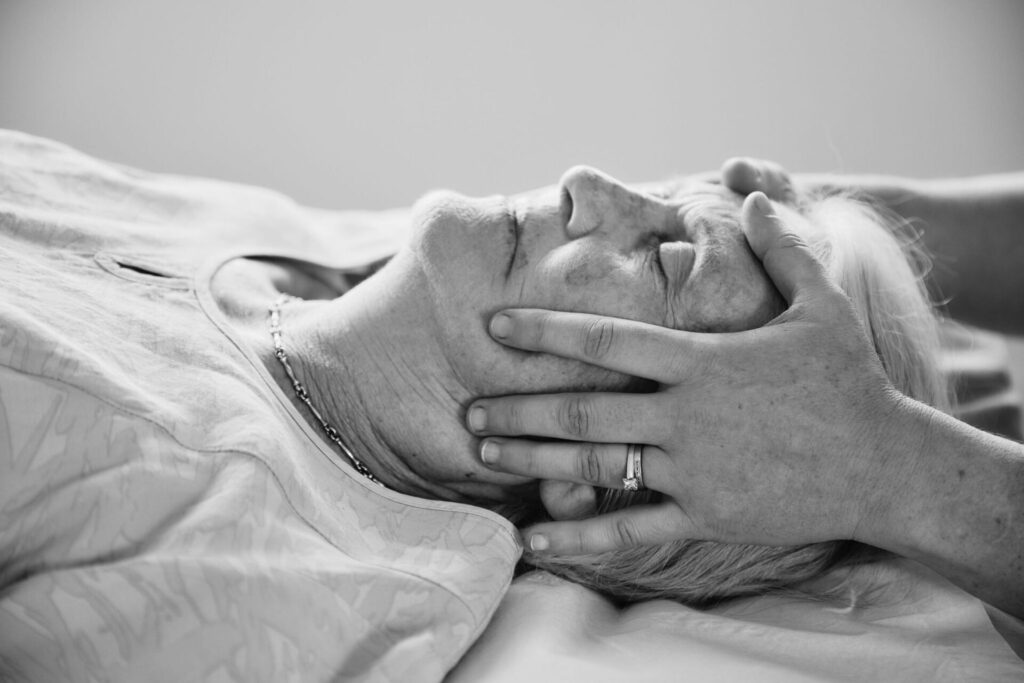
Osteopathy was founded in the late 19th century by Dr. Andrew Taylor Still in the United States. Dr. Still’s philosophy was anchored in the idea that the body functions as a whole, with its structure and function intimately connected. He emphasized the self-healing capacity of the human body and the importance of supporting this natural process through hands-on techniques.
Cranial osteopathy, as a specialized field, owes its beginnings to Dr William Garner Sutherland, an American osteopathic physician. In the early 1900s, Dr Sutherland observed the structure of the skull and hypothesized that the bones of the cranium were designed for subtle motion, even in adulthood. His theory, which became known as the “primary respiratory mechanism,” suggested that there is a rhythmic, involuntary motion present within the cranial bones, membranes, and cerebrospinal fluid, which plays a critical role in health. Initially, Sutherland’s ideas were met with scepticism, as conventional anatomy held that adult cranial bones were fused and immobile. However, through 30 years of clinical observation and gentle palpation, he refined his methods and developed cranial osteopathy into a recognizable discipline.
At the Integrated Osteopathic centre we also adopt the Biodynamic model of osteopathy. This is a specialised gentle approach to cranial osteopathy that views the body as a self healing, unified system driven by the “Breath of Life” and the inherent embryological forces. The “Breath of Life” is the self healing mechanism within the body. This work was developed from the later work of Dr Sutherland and Dr Jealous. It focus on supporting the body’s natural rhythm’s (tides) and fluid dynamics to promote health, rather then just correcting mechanical dysfunctions.
Common conditions we support.
Cranial work can help with a wide range of concerns — from acute pain to long-held tension and stress patterns that quietly shape the body.
Cranial osteopathy for children & babies.
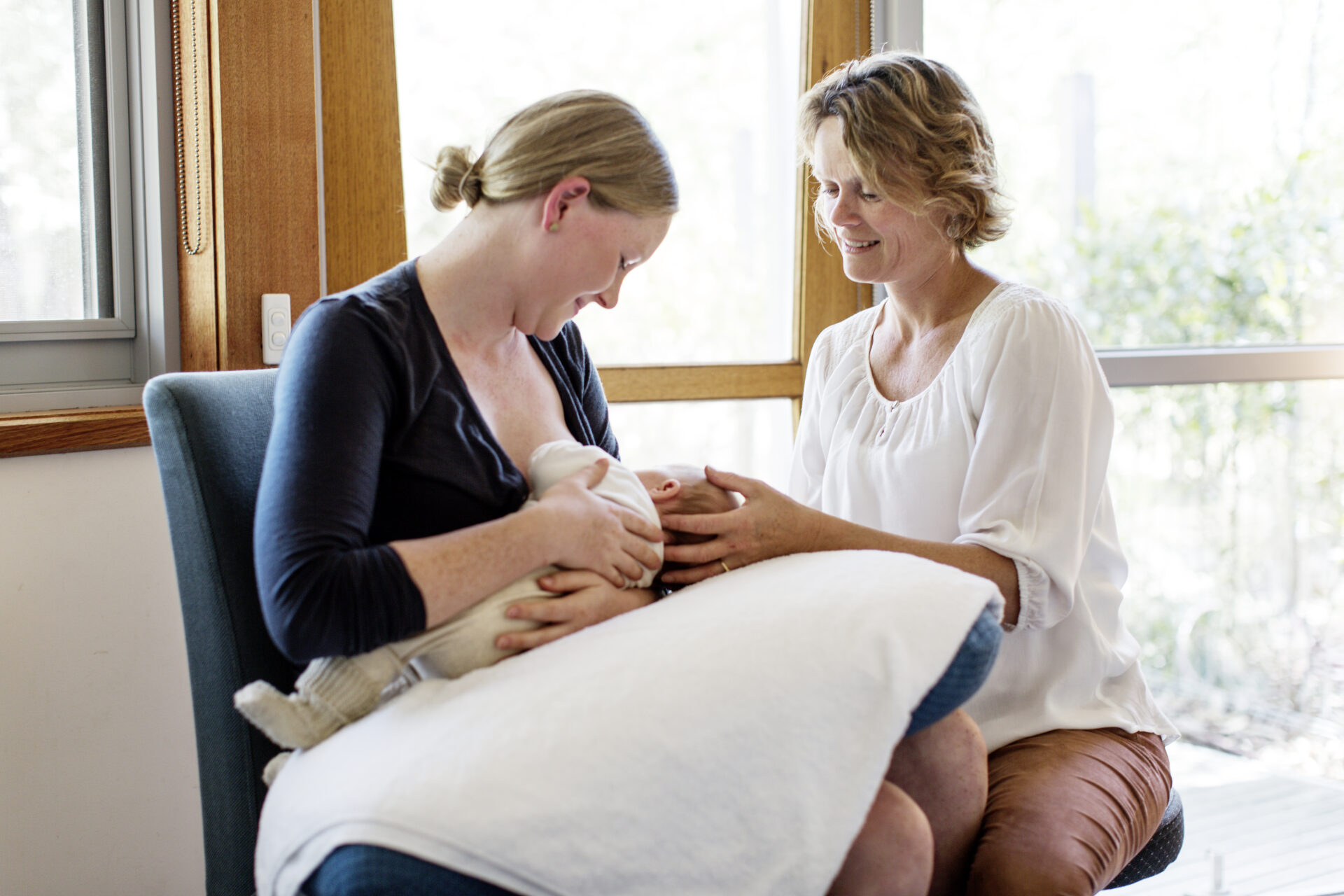
One of the most celebrated applications of cranial osteopathy is in the care of infants and children. Babies’ skulls are particularly malleable, comprised of several bones joined by soft tissues called sutures which allows for growth and adaptation during the birthing process. However, the pressures of birth – particularly if prolonged, assisted with forceps or vacuum, or involving caesarean section – can sometimes lead to compressions or restrictions in the cranial bones and membranes.
Cranial osteopathy is an extremely gentle, non-invasive approach used to assess and treat these restrictions. The practitioner places their hands lightly on the infant’s head, back and body, feeling for subtle movements and tension. The aim is to release any strains or compressions in the cranium and the rest of the body, supporting the baby’s comfort and development.
Common issues in babies and children addressed by cranial osteopathy include:
Parents often report improvements in their child’s well-being, sleep patterns, and feeding after a course of cranial osteopathic treatments. The therapy is considered safe when performed by a trained practitioner and is always tailored to the individual needs of each child. For more information on specific conditions that cranial osteopathy can support in children and babies please visit our specialised osteopathy for children’s website.
Cranial osteopathy for adults.
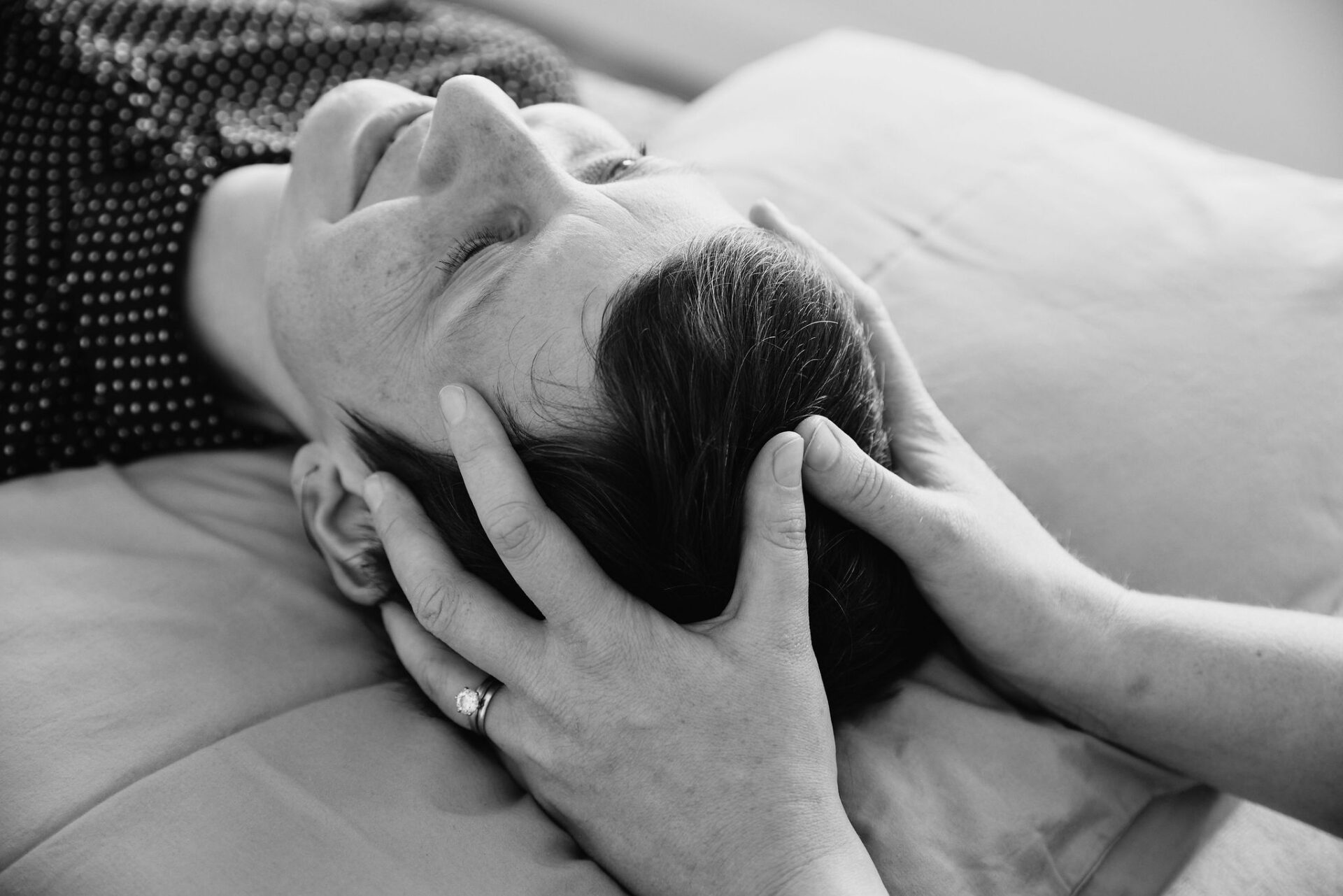
Adults also benefit significantly from cranial osteopathy. Life’s stresses, injuries, and postural habits can create or exacerbate subtle restrictions within the cranial system and throughout the body. For adults, cranial osteopathy is commonly sought for:
Experience the Gentle Power of Cranial Osteopathy
Book your consultation and meet a team that listens, identifies the underlying causes, and treats the whole body.