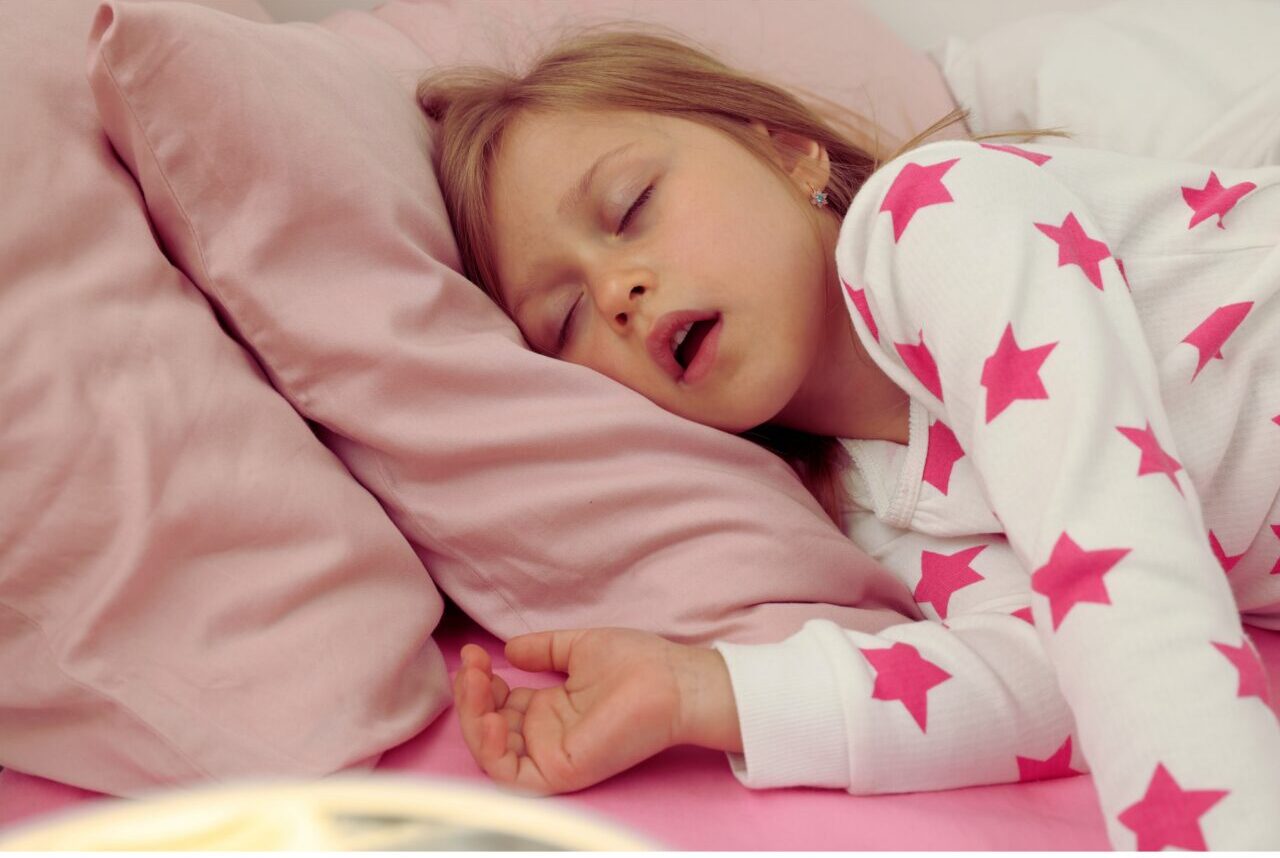
Snoring, sleep disordered breathing and sleep apnoea
Sleep disordered breathing, sleep apnoea, snoring and mouth breathing can be due to incorrect breathing patterns, specifically over-breathing or hyperventilation. Orofacial myofunctional disorders like low tongue tone and posture are often also a contributing factor to these sleep disordered breathing patterns. Dysfunctional breathing patterns have a big impact on jaw pain, neck tension, headaches, postural issues, congestion, behaviour, stress and anxiety. Our osteopaths address dysfunctional breathing patterns as part of our assessment to support the body’s return to health.
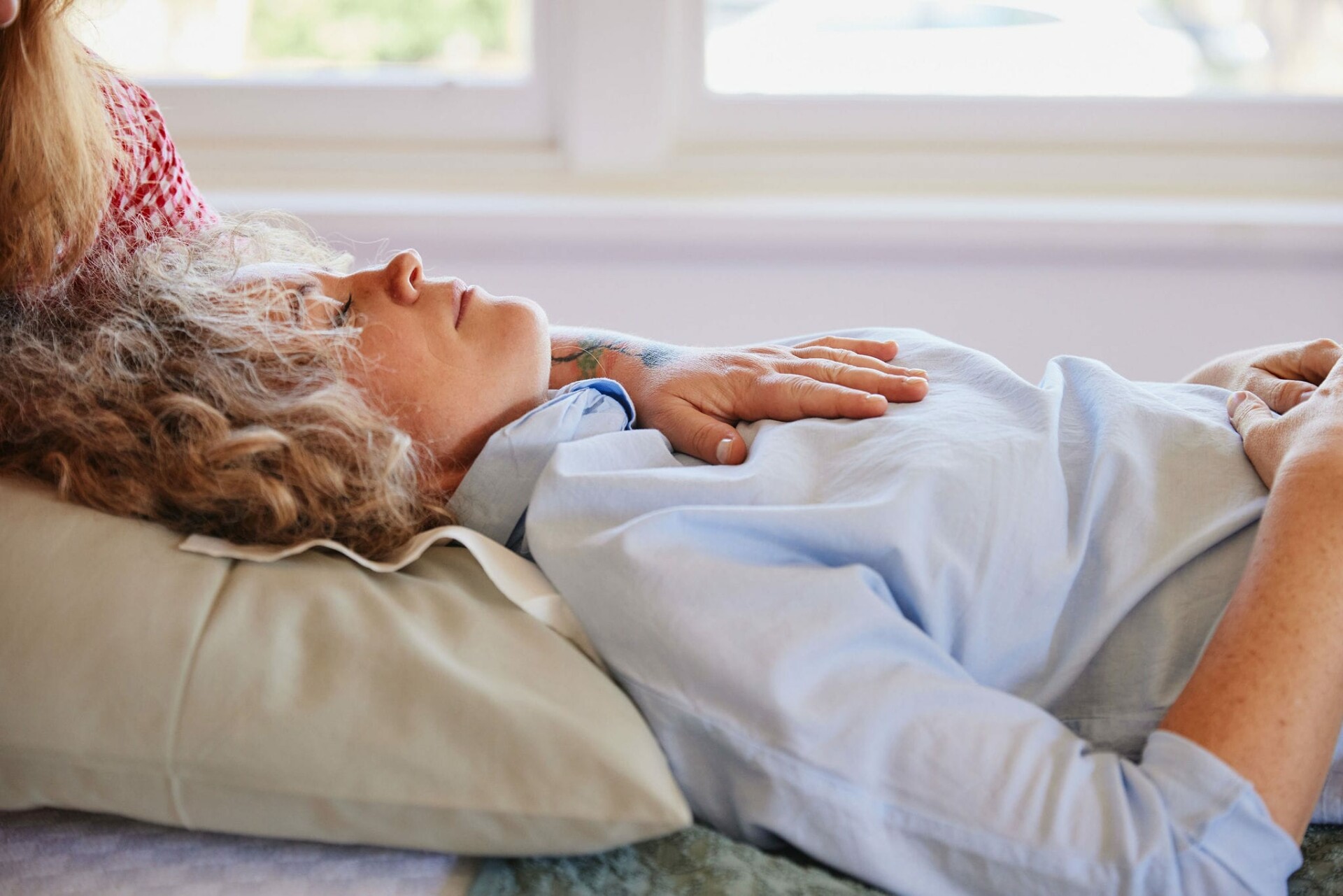
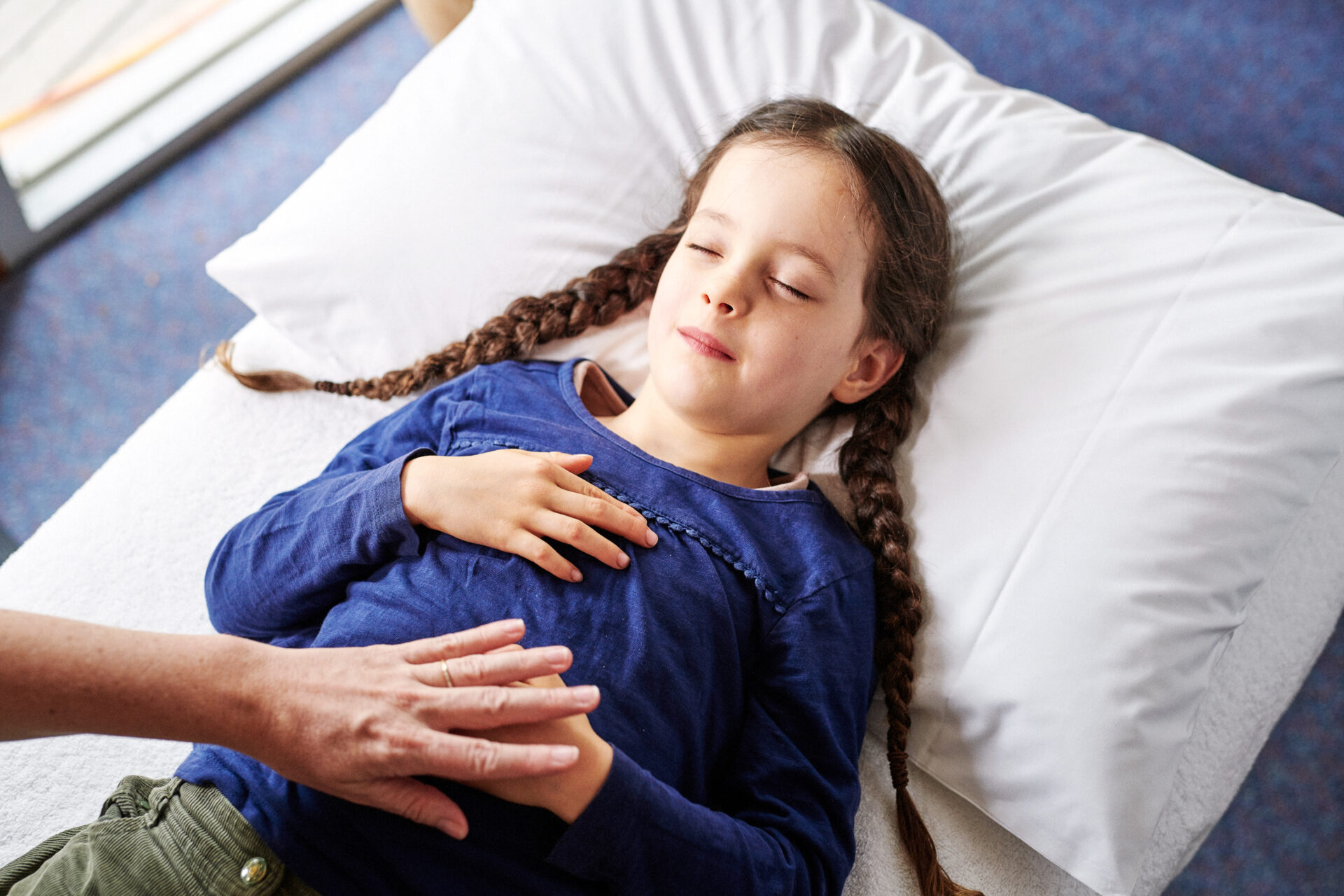
What does dysfunctional breathing and sleep disordered breathing look like?
Adults and children with sleep disordered breathing often have the following associated symptoms and presentations:
Bedwetting and increased night time urination
There have been studies to show that mouth breathing can cause obstructive sleep apnoea (OSA) in children. When a child is suffering from sleep apnoea the child can stop breathing for periods of time followed by a gasp and slight arousal. When this occurs the oxygen being taken up by the body is greatly reduced and in turn results in the heart having to work much harder to get enough oxygen around the body. The heart recognizes this as increased fluid volume in the body and produces a hormone that causes the kidneys to excrete more water which increases urination.
Sleep apnoea in a child or adults results in the inability to fall into the deeper stages of sleep where ADH (antidiuretic hormone) is produced. The function of ADH is to prevent urination. Children and adults with OSA often don’t reach the fourth stage of sleep because of constant arousals and gasping episodes. When ADH is not produced bedwetting can occur in the young and regular nocturnal toilet visits in the adult.
Nasal congestion
Chronic nasal congestion can be very debilitating for many people. There are a variety of reasons for chronic nasal congestion. Buteyko based breathing training can help restore functional breathing allowing the swelling of the nasal passages and congestion to subside. Over breathing (when we breathe too much and too often) can irritate the tissues of the nasal passages causing swelling and irritation perpetuating nasal congestion. By establishing normal healthy breathing through the nose there is an increase in the production of Nitric oxide in the paranasal sinuses. Nitric oxide is very important in boosting the immune system and clearing nasal swelling and congestion.
ADHD and Hyperactivity
An estimated 25 to 50% of people with ADHD experience sleep problems, ranging from insomnia to secondary sleep conditions. Doctors are starting to realize the importance of treating sleep problems and the impact this can have on both ADHD symptoms and quality of life for ADHD patients. Sleep problems, like sleep apnoea and restless leg syndrome exacerbate ADHD symptoms. Sometimes people are misdiagnosed as having ADHD when they actually have a sleep disorder. In normal sleep you go through 5 stages of sleep cycles (stages 1-4 and REM sleep). In patients with sleep apnoea, progression is often limited to stages 1 and 2 for extended durations, preventing advancement to the deeper stages of sleep where restorative processes occur. This disruption can have significant health consequences. The deeper sleep stages, particularly REM sleep, are essential for memory consolidation, immune system enhancement, and physiological repair. When children don’t get restorative sleep they can wake extremely tired, darkness under the eyes, grumpy in the mornings and exhausted because they haven’t had good quality sleep. This can make it very difficult for a child to focus and learn in a school environment. Sleep disordered breathing, such as sleep apnoea, can manifest symptoms that closely resemble those of ADHD. Individuals may experience difficulties with attention, impulsivity, and hyperactivity, which are hallmark features of ADHD, due to the fragmented and poor-quality of sleep caused by disrupted breathing patterns. As a result, some people are misdiagnosed with ADHD when the root cause is actually an underlying sleep disorder, highlighting the importance of thoroughly assessing sleep health in those presenting with ADHD-like symptoms.
Teeth Grinding/jaw tension/headaches – and the connection to sleep disordered breathing, snoring and sleep apnoea
Many people grind and clench their jaw during the day and at night causing pain and tension in the head, neck and temporomandibular joint (TMJ). Clenching and grinding is often blamed on stress. Although this is a factor, many people don’t realize that clenching and grinding during sleep can be related to breathing and airway dysfunction. During sleep the muscles of the throat and tongue relax. If there is already a small airway, or there is low tone in the muscles of the tongue and throat, the tongue relaxes and falls back into the airway causing a blockage (snoring/sleep apnoea). This blockage stimulates the body to wake itself up or compensate by clenching or grinding (the body attempting to move the jaw forward) thus opening the airway and allowing the body to breathe again. This can put a lot of stress on the muscles of the jaw, teeth and neck causing tension headaches, jaw pain and neck pain.
Understanding Sleep Apnoea from a Buteyko Breathing perspective.
From the Buteyko breathing perspective, sleep apnoea and snoring occur due to incorrect breathing, specifically over-breathing or hyperventilation. As well as incorrect breathing patterns, there is often also an orofacial myofunctional disorder or ENT disorder that is associated with sleep apnoea or sleep disordered breathing. Low tongue tone or posture can result in the tongue falling into the back of the throat and obstructing the airway, resulting in a rattling (snoring) of the soft tissues. Full blockage from the tongue can cause obstructive sleep apnoea.
As part of an assessment, the individual may need a sleep study, ENT assessment, and orofacial myofunctional assessment.
Our osteopaths use the Buteyko breathing method to support breathing and sleep dysfunction aiming to break the cycle and improve your overall health. By treating these issues comprehensively, we often see improvements not just in sleep and breathing, but in overall quality of life, including reduced headaches, improved energy levels, and better mental clarity.