breathe easy, sleep well
TMJ, Grinding, Snoring and Sleep Apnoea
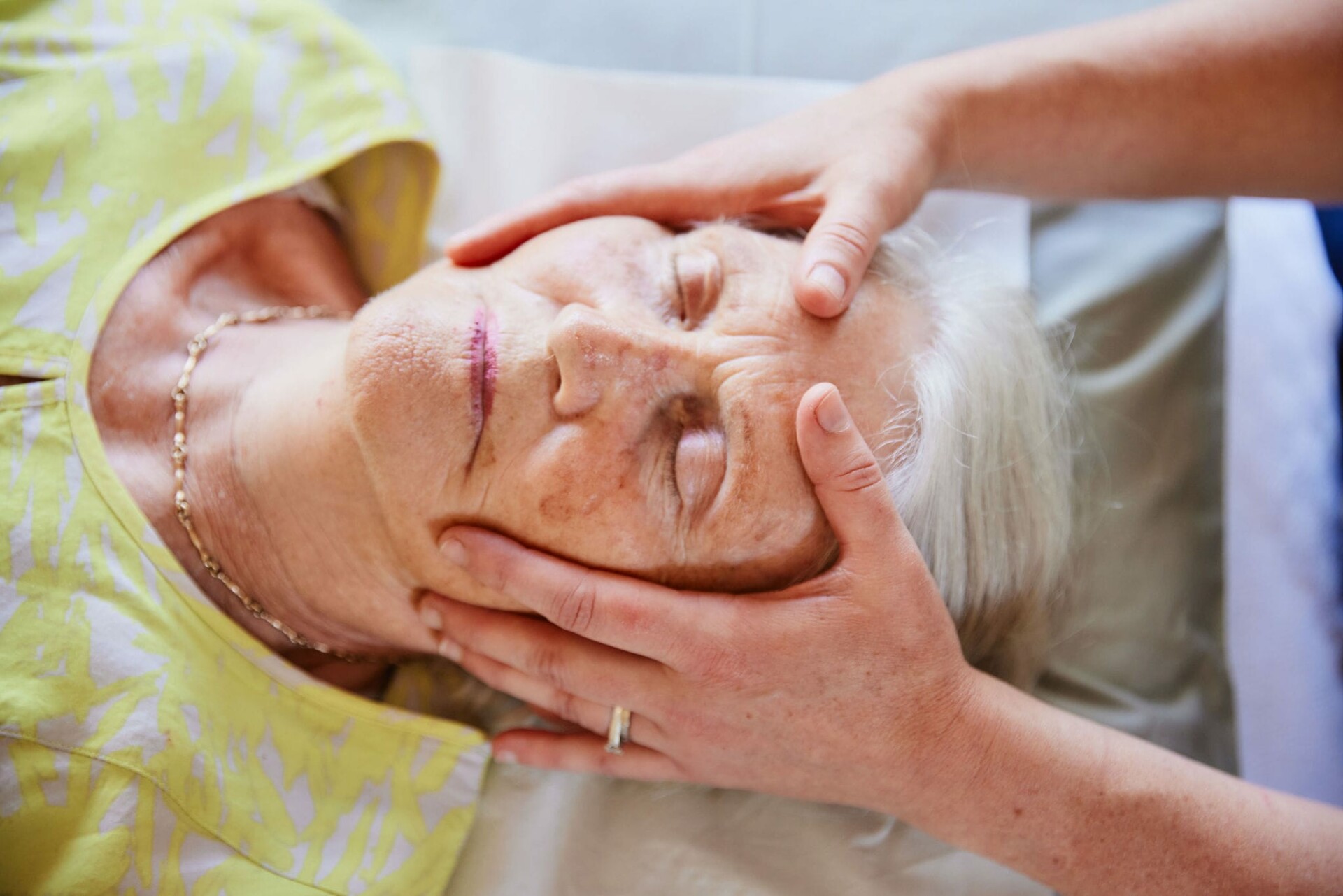
TMJ disorders, teeth grinding, snoring, and sleep apnoea can significantly impact your quality of life, affecting your sleep, breathing, and overall health. We use gentle, hands-on techniques to address jaw tension, improve upper airway function, and enhance overall breathing mechanics. Our goal is to alleviate pain, improve sleep quality, and promote better overall function, helping you breathe easier and rest more comfortably.

Our osteopaths have further skills in working with patients with the following:
Our Comprehensive Care
TMJ Assessment
Gentle manipulation techniques to assess and treat jaw dysfunction and related pain.
Myofascial Release
Release tension in jaw and facial muscles to improve comfort and function.
Breathing Assessment
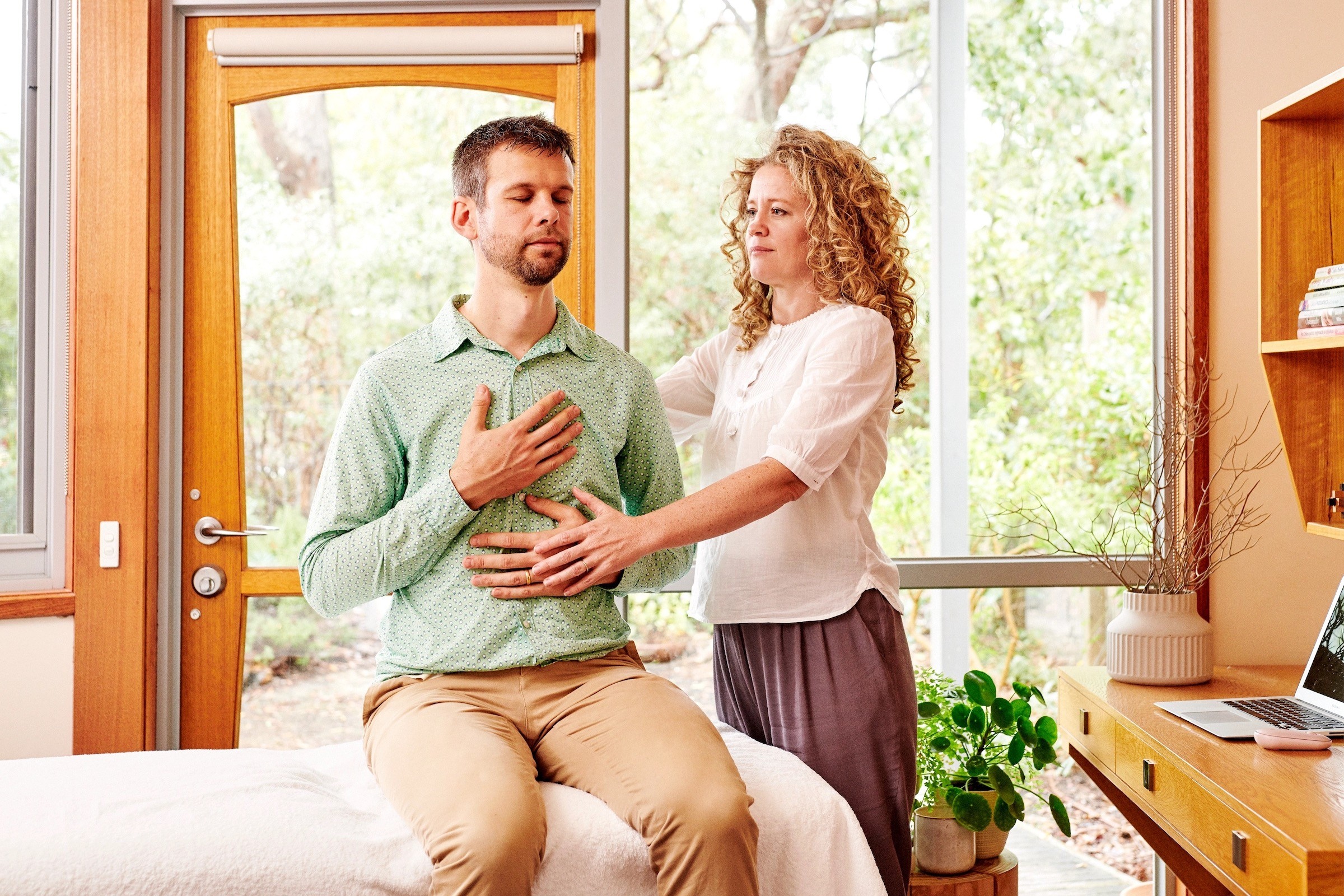
Breathing pattern assessment and correction to optimize respiratory function.
Cranial Techniques
Gentle cranial techniques to improve upper airway function and reduce restrictions.
Postural Advice
Postural guidance to support better breathing and reduce snoring.
Orofacial Myofunctional Therapy
Support for the airway, tongue, and facial structures to improve function.
The Importance of Addressing These Issues
The Connection Between TMJ, Breathing, and Sleep
Many people are surprised to learn how interconnected these issues are:
Our integrated approach addresses all these aspects, aiming to break the cycle and improve your overall health. By treating these issues comprehensively, we often see improvements not just in sleep and breathing, but in overall quality of life, including reduced headaches, improved energy levels, and better mental clarity.


Understanding Sleep Apnoea
From the Buteyko breathing perspective, sleep apnoea and snoring occur due to incorrect breathing, specifically over-breathing or hyperventilation. As well as incorrect breathing patterns, there is often also an orofacial myofunctional disorder or ENT disorder as part of the picture. Low tongue tone or posture can result in the tongue falling into the back of the throat and obstructing the airway, resulting in rattling (snoring) of the soft tissues. Full blockage from the tongue can cause obstructive sleep apnoea.
As part of an assessment, the individual may need a sleep study, ENT assessment, and orofacial myofunctional assessment.
Common Symptoms of Sleep Apnoea
People looking for relief from sleep apnoea or snoring problems often have many of the following symptoms:
Our integrated approach addresses all these aspects, aiming to break the cycle and improve your overall health. By treating these issues comprehensively, we often see improvements not just in sleep and breathing, but in overall quality of life, including reduced headaches, improved energy levels, and better mental clarity.
Start Your Journey Today
Don’t let TMJ pain, teeth grinding, or sleep-disordered breathing control your life.
Contact the Integrated Osteopathic Centre today to begin your journey towards better sleep and easier breathing.